2D Drawing
PDF, DWG or DXF with material, dimensions and critical notes where available.
You provide the drawing or sample. We review the manufacturing process, confirm a quotation and support sample approval before repeat-volume production.
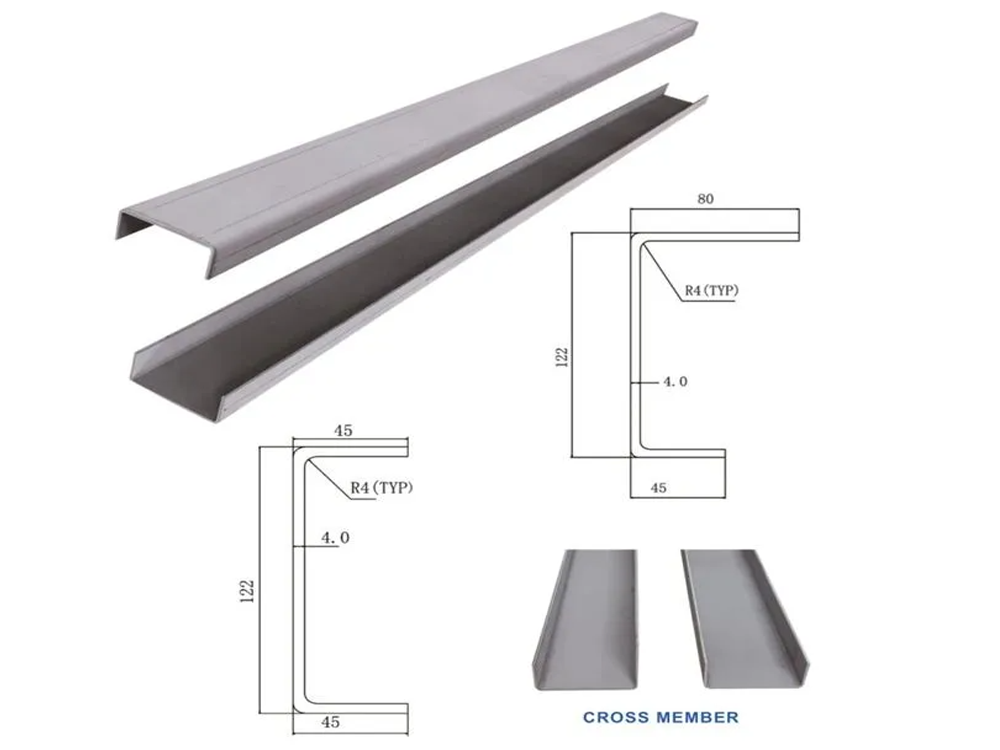 Drawing input
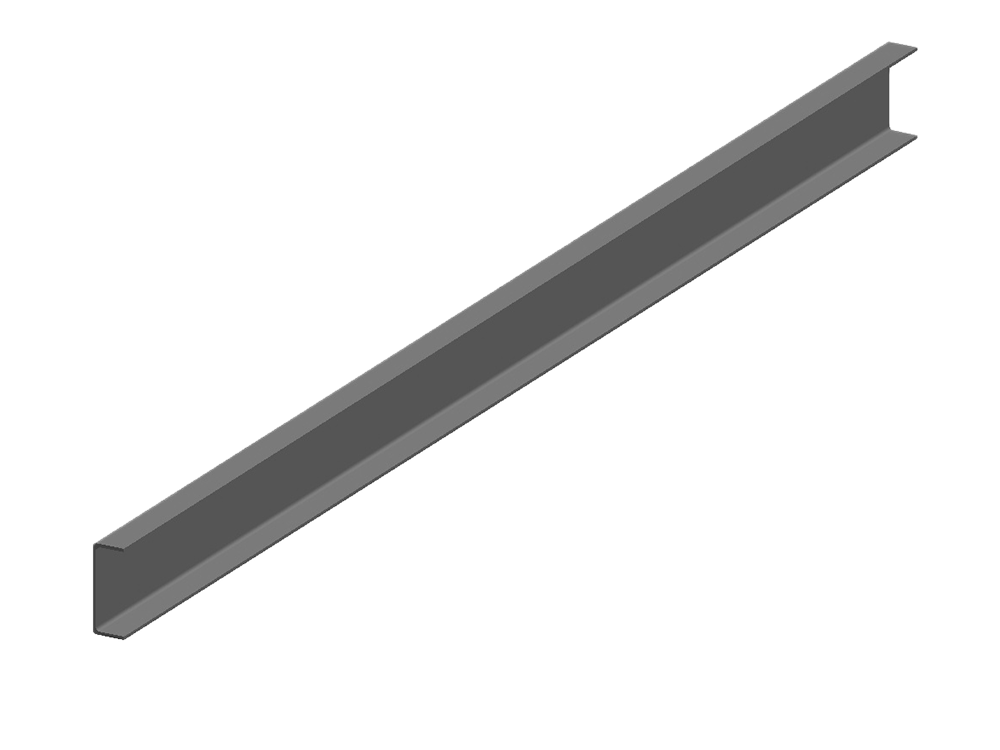 Production example
A useful quotation starts with enough information to identify the part and assess the batch requirements.
PDF, DWG or DXF with material, dimensions and critical notes where available.
STEP files may support review where the component geometry benefits from a 3D reference.
A physical sample or clear photographs can support identification and discussion.
Part purpose, quantity per batch, estimated annual volume, destination and timing.
Drawing, material, batch size, annual volume and destination.
Manufacturing assumptions, commercial scope and open questions.
A sample or first article is reviewed for approval where required.
The approved drawing or specification revision becomes the production reference for the batch.
Repeat manufacture follows the confirmed order requirements.
Checks, quantities, packing and identification are agreed by project.
These examples show the types of structural components and assemblies we can review for repeat production. Your own profile, dimensions, material and specification can be evaluated from drawings or samples.
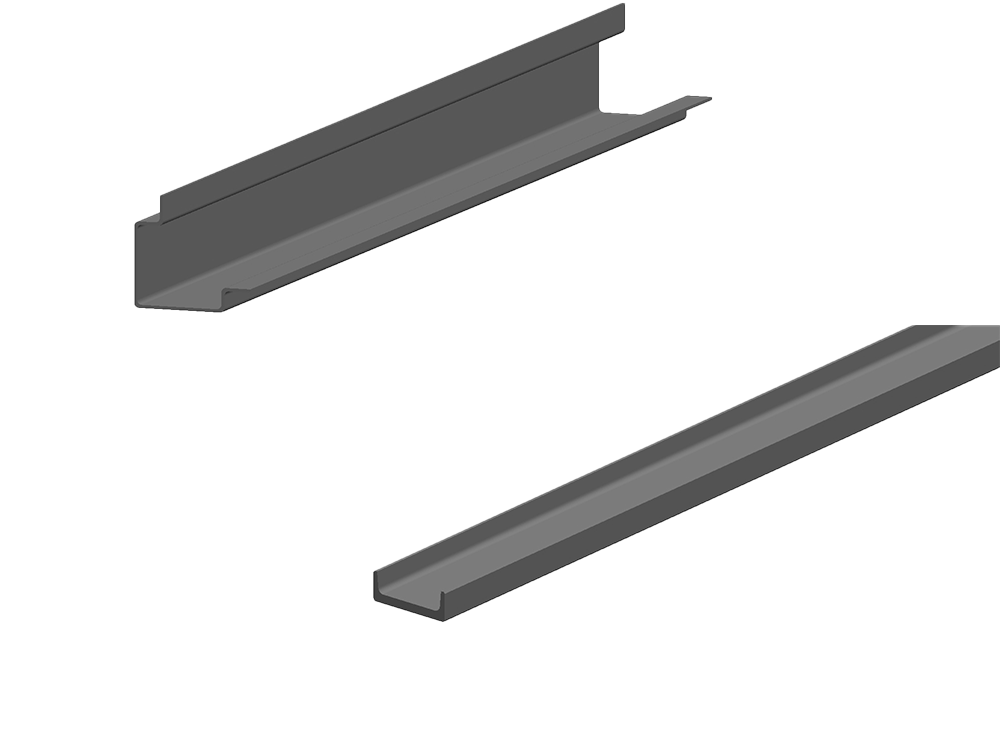
Profile, material, length and interface details reviewed against the drawing.
Technical example →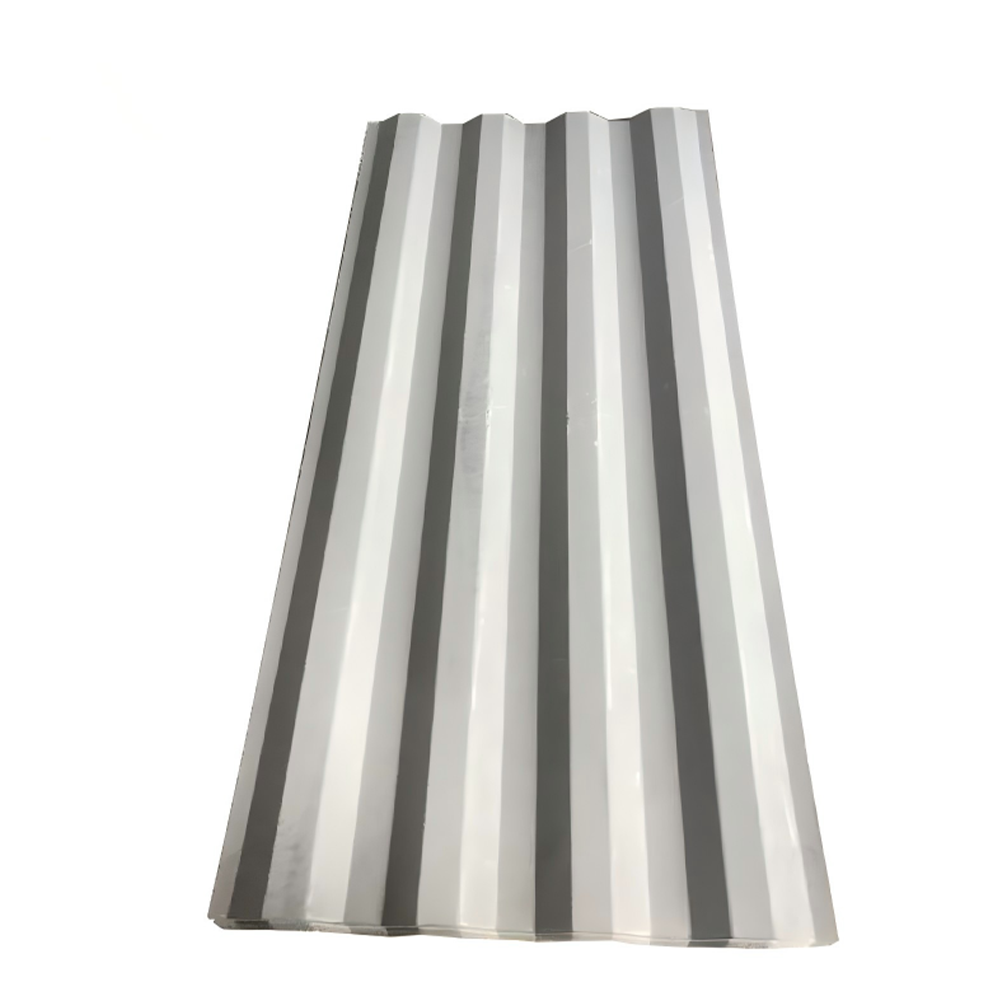
Roof, side and door panel profiles with dimensions and steel grade confirmed.
Technical example →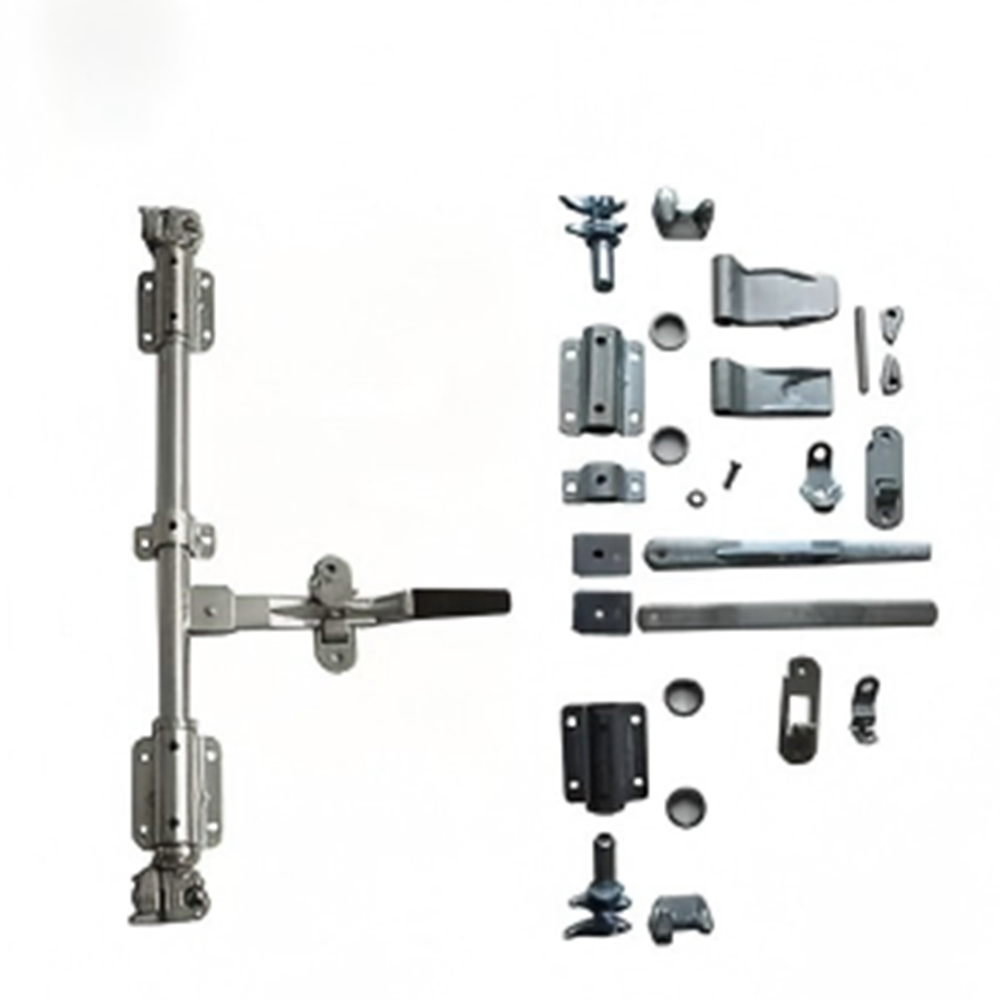
Configuration, component list, finish and packing reviewed before the batch.
Technical example →We manufacture custom steel container components, fabricated structural parts and welded assemblies to customer drawings. Send customer drawings or samples with material, dimensions and batch demand; we review the required cutting, bending, forming or welding processes, agree a sample or first-article approval stage where needed, and quote repeat batch production against the confirmed specification.
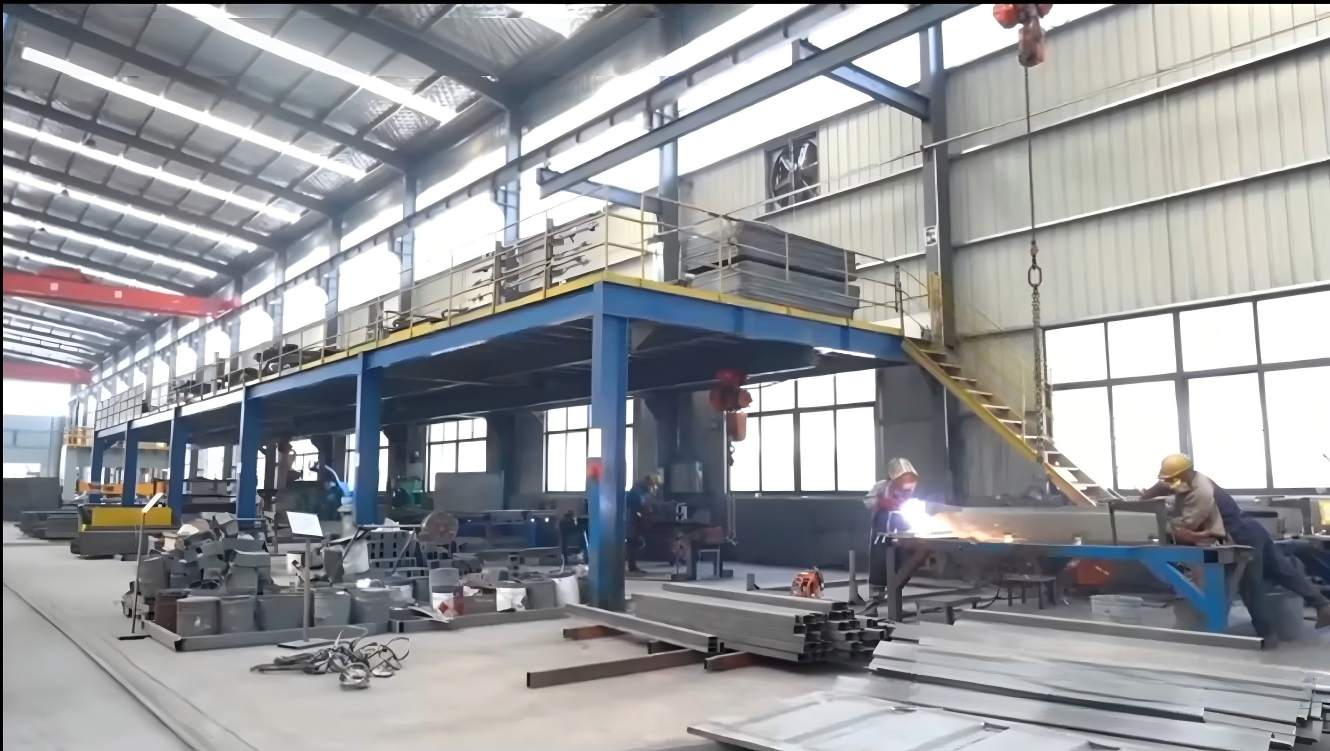
Stable specifications and repeat demand can improve material planning, tooling allocation, scheduling and packing. Minimum economical quantities vary by part size, tooling and process. Share your batch quantity and estimated annual volume so we can review the most economical production method.
Yes, subject to manufacturing review. Send the drawing, material, quantity and application so we can confirm feasibility and the appropriate production process.
Where appropriate, a sample or first-article stage can be agreed before the full batch.
There is no universal number. The economical minimum depends on part size, tooling, process and specification.
The confirmed drawing or specification revision and approved reference define the order; project-specific QC and packing requirements should be agreed before production.
Yes. The RFQ form collects the project basics first, and confidential files can then be shared through an agreed email or secure channel.
Part description, drawing status, material, quantity per batch, annual volume, destination and timing.
Send the commercial and technical basics first. If the project fits, the team can arrange the appropriate channel for drawings and samples.